

A Practical Guide to Stress Free Weekly Meal Planning
Why Meal Planning Transforms Your Weekly Routine
We all know that feeling. It’s 5 PM, the day has been long, and the question hangs in the air: “What’s for dinner?” That daily scramble often leads to stress, last-minute grocery runs, or dialing for takeout. Meal planning is the simple, proactive solution that turns kitchen chaos into calm control. Before diving into the how, it’s worth understanding the profound impact a simple plan can have on your entire week.
Having a plan isn’t about rigid schedules; it’s about creating breathing room. The mental relief of knowing what you’ll eat each day is just the beginning. The tangible benefits quickly add up, making it clear why meal planning for beginners is such a powerful habit to build.
Here’s what you stand to gain:
- Time Savings: Imagine reclaiming hours every week. A meal plan eliminates daily decision-making and frantic trips to the store for a single forgotten ingredient. That time is yours again, whether you spend it with family, on a hobby, or just relaxing.
- Financial Gains: A shopping list based on a plan is a powerful tool against impulse buys. When you know exactly what you need, you’re less likely to grab expensive snacks or default to costly delivery services. This discipline keeps your food budget in check.
- Healthier Choices: Planning allows you to be intentional with your food. You can build balanced, nutritious meals that align with your wellness goals instead of grabbing whatever is fastest. Making these intentional choices is even easier with helpful online tools like ours that support your journey.
- Environmental Impact: A structured plan is one of the most effective ways to combat household food waste. When every ingredient has a purpose, less ends up in the trash. This simple habit can significantly reduce your environmental footprint.
Your Essential Meal Planning Toolkit
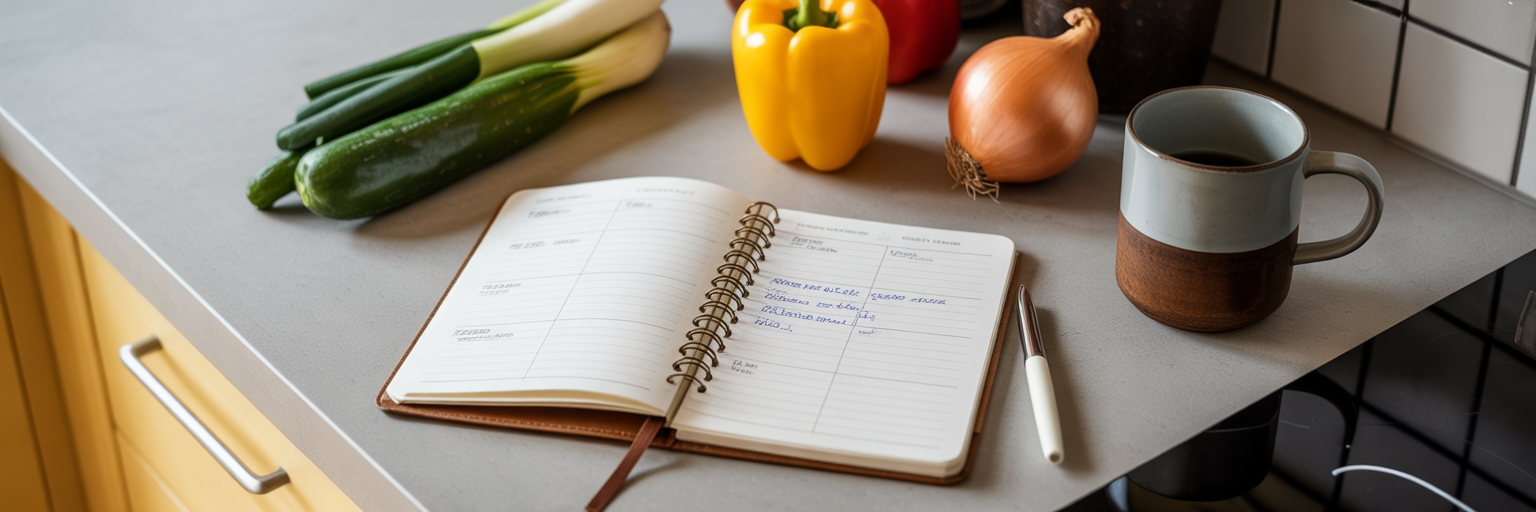
Now that you see the benefits of having a plan, let’s gather the simple tools you need to get started. The good news is that you don’t need anything fancy. The focus here is on flexibility and finding a system that works for you, not against you.
Finding Your Planning Style
The best system for how to use a meal planner is the one you will consistently use. For some, that’s a simple notebook and pen kept on the kitchen counter. The physical act of writing things down can make the plan feel more concrete. Others might prefer a digital spreadsheet that can be shared with a partner or accessed on the go. There are also dedicated apps that offer features like recipe importation and automated grocery lists. The key is to experiment. Try a few methods and see what sticks. Don’t feel pressured to adopt a complicated system if a simple piece of paper does the job.
Using Nutrition Calculators for Your Goals
Nutrition calculators can feel intimidating, but they are simply tools for awareness. Think of them as a guide, not a set of strict rules. Macronutrients, or “macros,” are the three main nutrients your body uses for energy: protein, fat, and carbohydrates. Understanding your macro balance can help you build more satisfying and energizing meals. Similarly, using a calorie calculator for meals provides a baseline for your energy needs.
This isn’t about obsessive tracking. It’s about gaining a better sense of what’s in your food so you can make informed choices. For instance, you might realize your lunches are low on protein, leaving you hungry by mid-afternoon. Platforms like Prezio offer a suite of free nutrition tools to help you understand these numbers without the complexity, supporting your health goals in a practical way.
How to Build a Balanced and Delicious Weekly Menu
With your preferred planning style and tools ready, it’s time for the fun part: building a menu your family will actually enjoy. Creating a balanced and varied plan is easier than it sounds, especially with a few simple strategies. These weekly meal planning tips are designed to prevent boredom and streamline your cooking process.
Embrace Theme Nights for Variety
One of the biggest hurdles in meal planning is decision fatigue. Theme nights provide a simple structure that narrows down your choices. Assigning a theme to each day, like “Meatless Monday” or “Taco Tuesday,” gives you a starting point and makes it easier to plug in recipes. This also helps ensure variety throughout the week, so you’re not eating the same type of meal day after day.
Master the ‘Cook Once, Eat Twice’ Method
This strategy is a cornerstone of efficient meal prep. It involves cooking a larger batch of a base ingredient and repurposing it for different meals. This saves you from having to cook from scratch every single night. For example:
- Roast a whole chicken on Sunday. Use the meat for chicken and veggie bowls on Monday and shred the rest for chicken tacos on Tuesday.
- Cook a large pot of quinoa. Serve it as a side dish one night, use it as a base for a grain salad for lunch, and add it to black bean burgers another day.
- Grill extra steak or salmon. The leftovers are perfect for topping a salad or filling a wrap for a quick and satisfying lunch the next day.
You can find plenty of easy-to-follow recipes that are perfect for this method, helping you get the most out of your cooking time.
Build a Smart Grocery List
Before you write a single item on your list, “shop” your own pantry, fridge, and freezer. We all have a can of beans, a bag of frozen peas, or a half-empty box of pasta hiding in the back. Building your meal plan around ingredients you already have is the fastest way to save money and prevent waste. Once you know what you have, create your list based only on what’s missing for your planned meals.
For a simple guide on creating balanced meals, the Harvard T.H. Chan School of Public Health offers a great visual tool. As highlighted in their Healthy Eating Plate, aiming to fill half your plate with fruits and vegetables, a quarter with whole grains, and a quarter with healthy protein is a straightforward approach to nutritional balance.
| Day of the Week | Theme Idea | Example Meals |
|---|---|---|
| Monday | Meatless Monday | Lentil Soup, Black Bean Burgers, Veggie Stir-fry |
| Tuesday | Taco Tuesday | Fish Tacos, Shredded Chicken Tacos, Beef Burrito Bowls |
| Wednesday | Pasta Night | Spaghetti Bolognese, Creamy Chicken Alfredo, Pesto Pasta with Veggies |
| Thursday | Global Flavors | Chicken Curry, Pad Thai, Greek Lemon Chicken and Potatoes |
| Friday | Pizza or Fake-Out Friday | Homemade Pizza, Turkey Burgers, Healthier Fish and Chips |
Note: These themes are flexible suggestions designed to inspire variety and simplify decision-making. Adjust them based on your family’s preferences and what you have on hand.
Smart Strategies to Minimize Food Waste
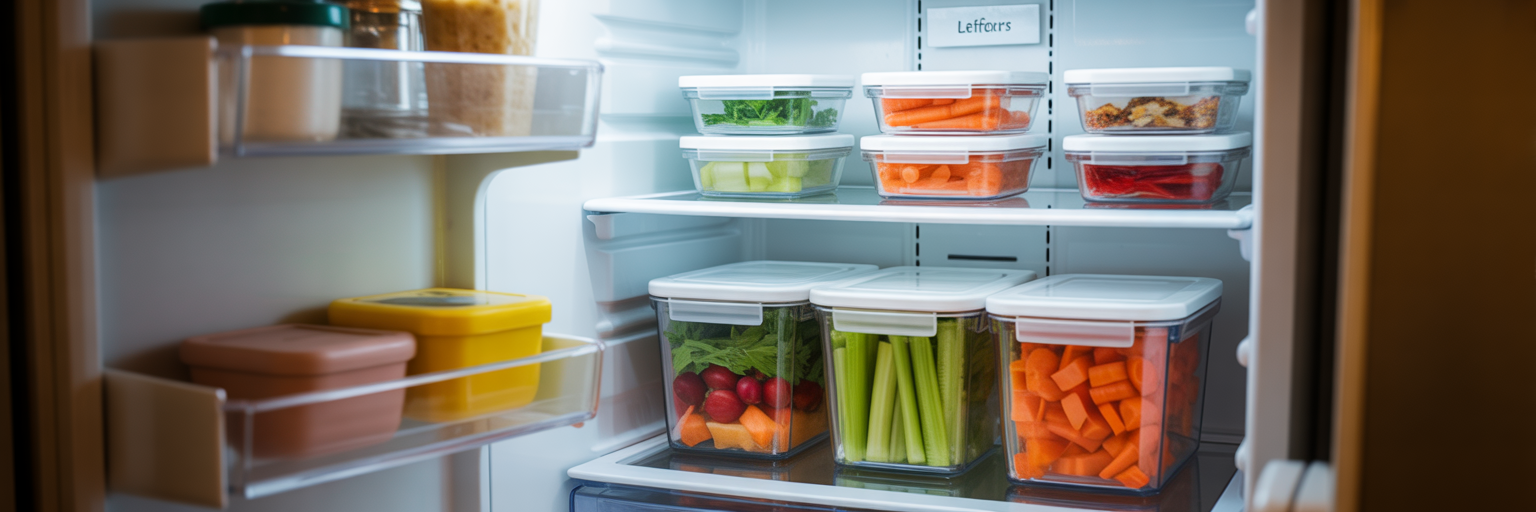
A well-executed meal plan does more than organize your week; it’s a powerful tool to reduce food waste with meal plan strategies that are easy to implement. Research from Utah State University Extension confirms that households can significantly cut down on waste simply by planning meals. Moving from theory to practice involves a few conscious habits that make a real difference for both the planet and your wallet.
Implement the ‘First In, First Out’ (FIFO) Rule
This is a simple organizational principle used in professional kitchens that works just as well at home. When you unpack your groceries, move older items to the front of your fridge and pantry and place the new items behind them. This ensures you use up food before it expires. It’s a small change in routine that prevents you from discovering a forgotten container of yogurt or a wilted bag of spinach in the back of a drawer.
Plan Around Perishables
Not all ingredients have the same shelf life. When building your weekly menu, schedule meals with delicate items like fresh fish, leafy greens, and berries for earlier in the week. Save heartier ingredients like potatoes, carrots, and frozen foods for later. This simple sequencing ensures you use everything at its peak freshness and avoids the disappointment of having to throw away spoiled produce.
Get Creative with Leftovers and Scraps
Thinking of leftovers and scraps as ingredients rather than waste opens up a world of culinary possibilities. A little creativity can turn what might have been trash into another delicious meal.
- Vegetable Scraps: Keep a bag in your freezer for onion peels, carrot ends, and celery tops. Once it’s full, simmer them in water to create a flavorful homemade vegetable stock.
- Stale Bread: Don’t toss it! Cut it into cubes, toss with olive oil and herbs, and bake for homemade croutons. You can also use it for French toast or bread pudding.
- Leftover Roasted Veggies: Chop them up and add them to a frittata or omelet for a quick and nutritious breakfast or lunch.
When you need inspiration for using up that last bit of sour cream or a handful of herbs, you can always find creative ideas on a recipe platform like ours to help you transform leftovers into something new.
Making Meal Planning a Lasting Habit
The goal of meal planning is to make your life easier, not to add another chore to your list. The key to making it a lasting habit is consistency over perfection. Set aside a specific time each week to plan, whether it’s on a Sunday morning with a cup of coffee or on a Thursday evening before your weekend grocery run. A dedicated time makes it part of your routine.
Remember that your meal plan is a guide, not a rigid contract. Life happens. If you’re not in the mood for what you planned or a friend invites you out to dinner, it’s okay to swap days or be flexible. The plan is there to serve you, not the other way around.
By embracing this simple practice, you’ll enjoy less stress, more time, better health, and extra money in your pocket. To keep your journey fresh and exciting, feel free to explore our collection of recipes and tools for endless inspiration.